
Cluster Development Approach for Livelihood Improvement for SC Community Through Floriculture Practices
The implemented interventions have markedly improved flower production and marketing across Meerut District. By strategically addressing the critical challenges faced by local farmers and optimizing the use of available resources, the project has effectively elevated livelihoods and created substantial employment opportunities. Through the introduction of advanced horticultural techniques and the establishment of robust market linkages, the project has empowered underprivileged communities to engage in sustainable and profitable horticultural practices. This comprehensive approach has not only enhanced economic stability but also fostered long-term growth and development within the region.
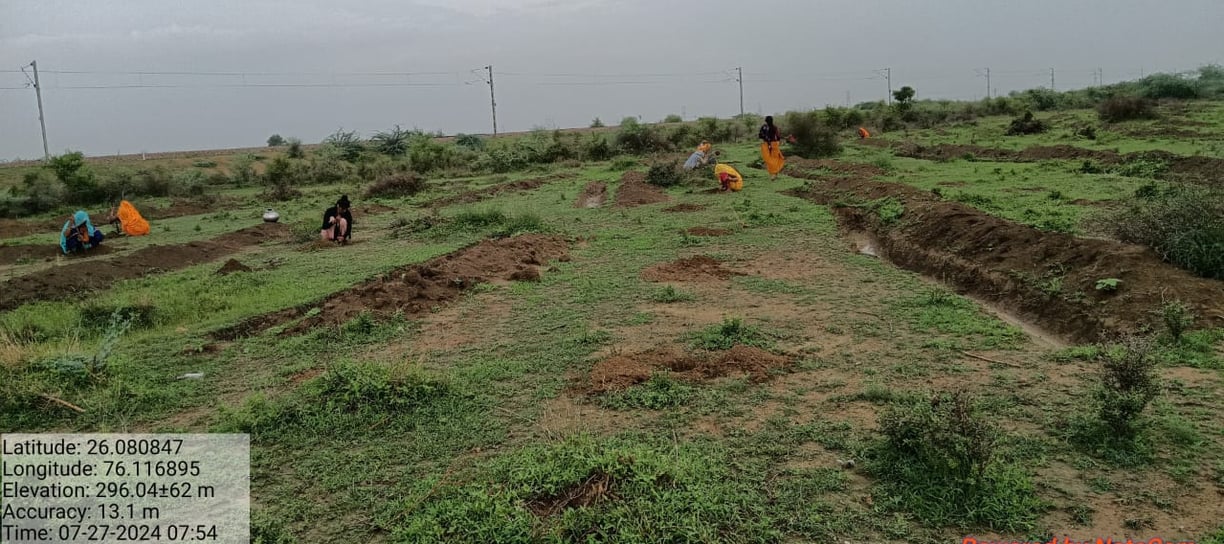
Primary Challenges
Poor Market Intelligence: Farmers struggle with accessing export markets due to inadequate market data.
Lack of Awareness: Insufficient knowledge about sanitary standards and organic certification puts farmers at a disadvantage.
Value Addition Issues: Problems with storing, grading, and processing affect the quality and profitability of flower crops.
Infrastructure Deficiencies: Limited facilities for processing and marketing flowers.
Water Management: Inefficient water usage affects crop quality and yields.
Investment and Costs: High costs and insufficient investments in new technologies hinder progress.
Quality and Information Gaps: Inadequate understanding of quality requirements and lack of information on best practices.
Objectives
Improve market intelligence and access for flower farmers.
Increase awareness of sanitary, phyto-sanitary standards, and organic certification.
Address infrastructure issues related to storage, grading, and processing.
Develop a repository for flower crop conservation, production, and processing.
Enhance value addition and marketing capabilities for flower crops.
Train youth in the economic potential of flower plants and profitable business practices.
Empower underprivileged SC communities through skill development and employment opportunities.
Strategic Solutions for Livelihood Upgradation
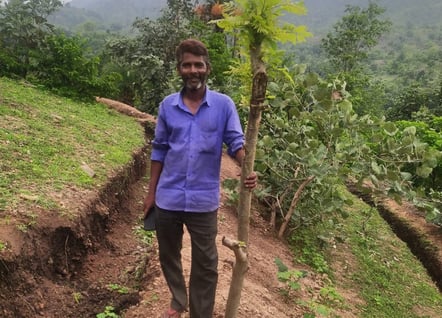
Cultivate and demonstrate high-value ornamental flowers, such as Dahlias, Gladious, Gerberas, and Tuberose, using advanced horticultural practices.
Offer training programs for local farmers on effective cultivation and harvesting techniques.
Develop a cooperative society model to facilitate market linkages and support for flower farmers.
Implement technology demonstrations to showcase best practices and sustainable use of natural resources.
Provide ongoing support and technical assistance to ensure the effective adoption of new horticultural technologies.
Establish a value-added processing center to enhance product quality and marketability.
Importance of the Solutions Implemented
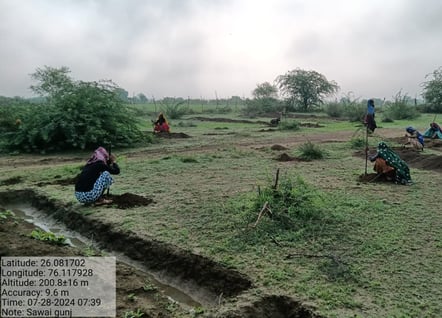
Economic Impact: The project aims to improve livelihoods and income generation, potentially increasing the income of 500 beneficiaries by approximately ₹30,000 per month.
Employment Generation: The initiative will create employment opportunities for 500 direct beneficiaries and promote sustainable agricultural practices.
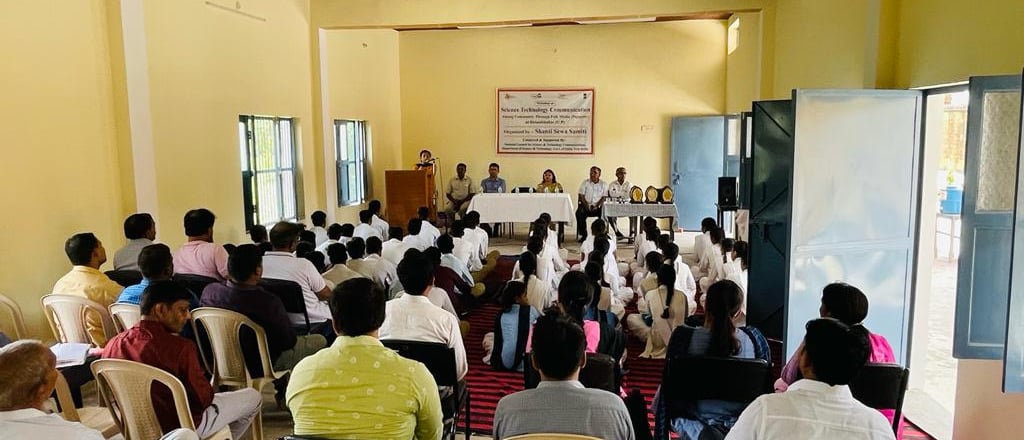
Skill Development: Training will enhance skills in floriculture and value addition, leading to better business prospects and economic empowerment.
Community Benefits: Awareness and confidence-building will empower communities, fostering competitiveness and long-term success.
The implemented interventions have markedly improved flower production and marketing across the regions covered under this program (parts of UP, Rajasthan & Haryana). By strategically addressing the critical challenges faced by local farmers and optimizing the use of available resources, the project has effectively elevated livelihoods and created substantial employment opportunities. Through the introduction of advanced horticultural techniques and the establishment of robust market linkages, the project has empowered underprivileged communities to engage in sustainable and profitable horticultural practices. This comprehensive approach has not only enhanced economic stability but also fostered long-term growth and development within the region.
28%
6000+
Increase in the annual Income of Farmers
Beneficiaries who gained from this initiative
17%
Value added through processing and marketing
350+
Rural households experiencing improved livelihoods
Project Impact: Key Metrics
Address
42, 1e, Subhash Nagar Meerut City, Meerut Uttar Pradesh
Contacts
(+91)731-099-7118
shantissmeerut@gmail.com